
Pillar and Cluster Model in SEO and Content Strategy
In the world of Search Engine Optimization (SEO) and content strategy, the Pillar-Cluster model is one of the most vital and effective methods for organizing content. This technique is a strategic approach that helps structure your website in a way that allows both search engines and users to easily find exactly what they are looking for. In this article, we will delve into the details of this model, its components, benefits, and implementation steps.
What is a Topic Cluster (Pillar-Cluster)?
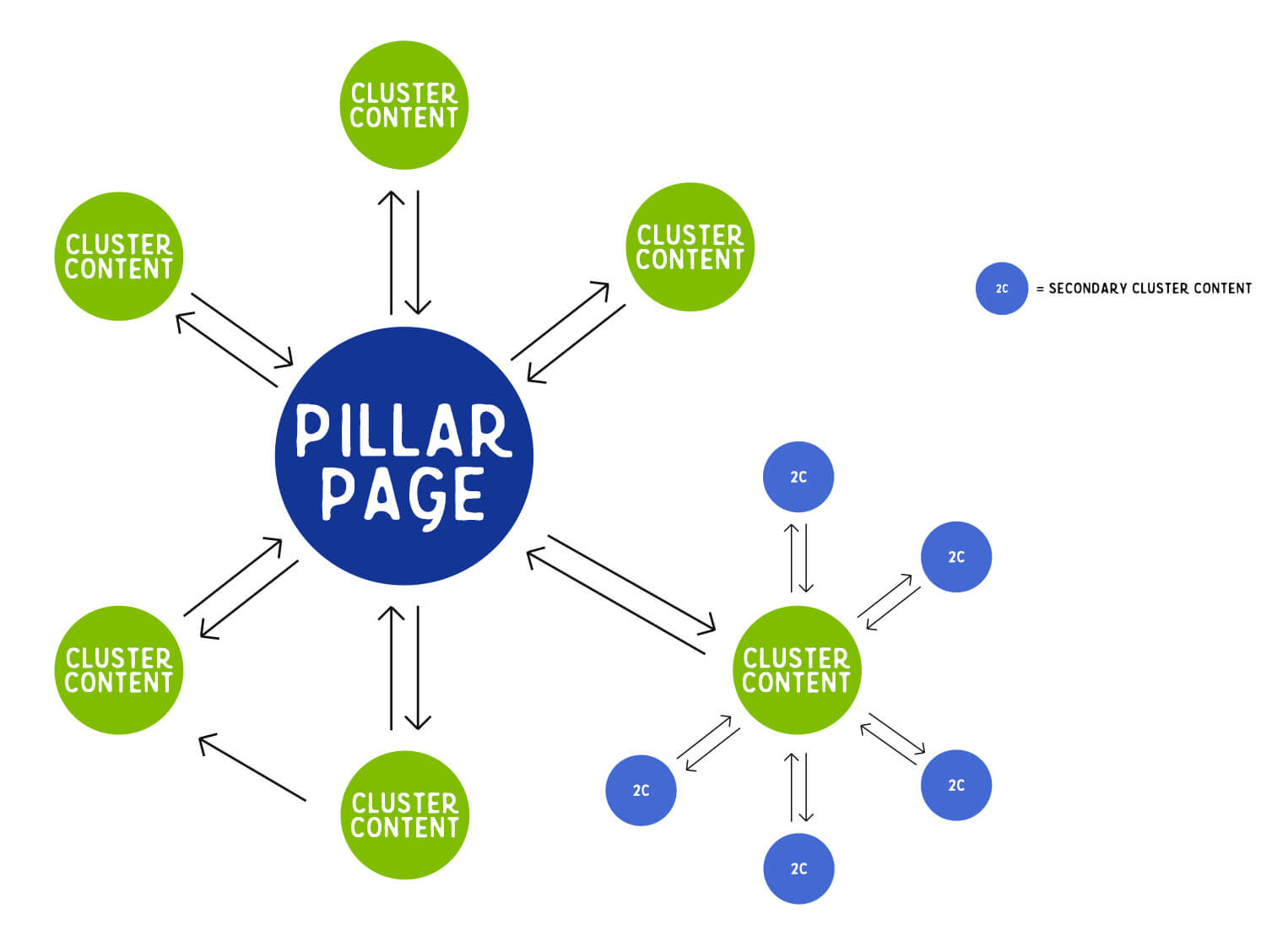
The Pillar-Cluster model is a content organization method based on creating Pillar Pages and Cluster Content. In this model, you create a comprehensive pillar page that covers a main topic in depth and then produce a series of cluster pages (sub-topics) surrounding that central theme.
Importance of the Pillar-Cluster Model in SEO
This model enables search engines like Google to easily identify your pages and understand the relationship between them. Due to its logical and coherent structure, search engines can index your site more effectively, leading to higher rankings in search results.
Here are the key reasons why Pillar pages are so effective for SEO:
Search Discovery: They link to various related sub-pages, creating a clear and logical path for search engine crawlers to follow.
Link Structure Optimization: By interlinking pillar and cluster pages, you create a powerful internal linking network that helps users navigate and tells search engines which pages are most important.
Effective Keyword Targeting: Pillar pages target broad, high-volume keywords, while cluster pages target long-tail, specific keywords. This dual approach helps you rank for both general and niche queries.
Enhanced User Experience (UX): Comprehensive coverage keeps users engaged, reduces bounce rates, and increases “dwell time”—all of which are positive signals for SEO.
Boosting Topical Authority: Deep coverage signals to search engines that your site is a comprehensive resource, establishing you as an expert in your field.
Backlink Opportunities: High-quality, comprehensive guides are prime candidates for earning backlinks from other websites, increasing your overall domain authority.
Components of a Pillar-Cluster
To implement this model, you must understand its three main components:
1. Pillar Pages
The foundation of the structure. They provide a high-level overview of a broad topic.
Characteristics: Comprehensive content, links out to cluster pages, and focuses on core industry keywords.
2. Cluster Content
Detailed pages that dive deep into specific sub-topics mentioned on the pillar page.
Characteristics: Specialized focus, links back to the pillar page, and serves users looking for specific details.
3. Internal Linking
The “glue” that holds the model together. Cluster pages must link to the pillar page and vice versa. This helps search engines understand the site’s hierarchy and topical relevance.
Steps to Implement the Pillar-Cluster Technique
Step 1: Identify Core Topics (Pillars)
Choose broad topics relevant to your industry that have significant search volume and can support a large volume of sub-content.
Step 2: Create Pillar Pages
Develop educational, comprehensive content that serves as a “hub” for the chosen topic. Use images, charts, and media to improve UX.
Step 3: Develop Cluster Content
Write specific articles or blog posts that address the nuances of the main pillar topic.
Step 4: Establish Internal Links
Ensure a seamless flow between the pillar and its clusters. The goal is to make it effortless for a user to transition from a general overview to a specific detail.
Step 5: Content Maintenance
Regularly update both pillar and cluster pages to ensure the information remains accurate, fresh, and competitive in search rankings.
Conclusion
The Pillar-Cluster model is an exceptionally efficient strategy for SEO and user experience. By organizing your content into these logical structures, you create a site that is attractive to both users and search engine algorithms. Implementing this model is a proven way to increase your rankings, authority, and ultimately, your organic traffic.